
Endoscopic & Minimally Invasive Brain & Spine Surgery
We specialize in advanced endoscopic and minimally invasive neurosurgical procedures that allow precise treatment of complex brain and spine conditions with smaller incisions, less pain, faster recovery, and shorter hospital stays. Using high-definition endoscopes and modern microsurgical techniques, we provide safe and effective solutions while minimizing trauma to surrounding brain and spinal structures.
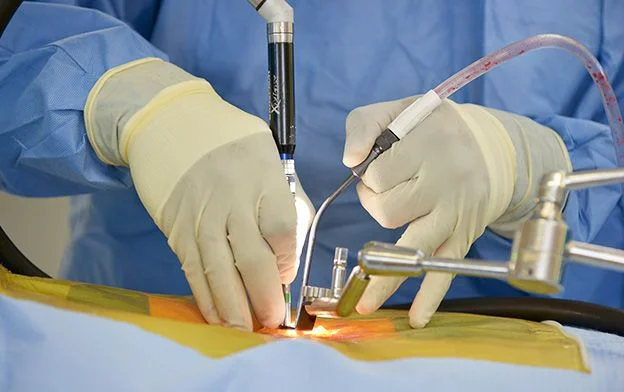
Endoscopic Spine Procedures
Endoscopic spine procedures are advanced minimally invasive surgeries for slipped or herniated discs, spinal instability, fractures, and degenerative disorders. Using small incisions with high-definition endoscopic and image-guided techniques, they safely relieve nerve compression through discectomy and stabilize the spine with minimally invasive fixation. These procedures minimize muscle damage, reduce postoperative pain and scarring, shorten hospital stay, and allow quicker recovery compared to conventional open surgery.
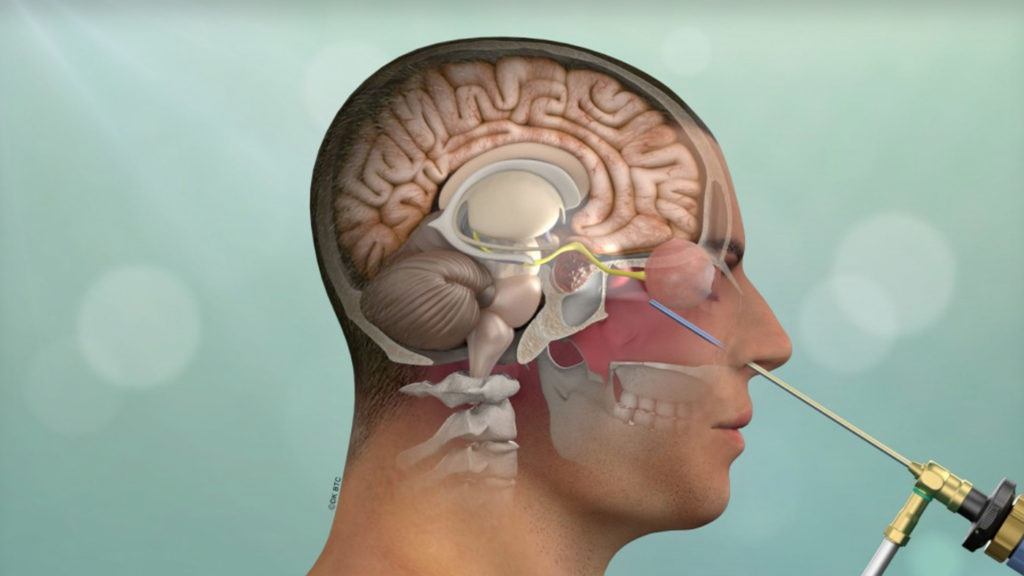
Endoscopic Brain Tumour Surgery
Endoscopic brain tumour surgery is a minimally invasive approach that treats selected brain tumours and ventricular conditions while preserving healthy tissue. Using high-definition endoscopic visualization, it reduces surgical trauma, avoids large incisions, and promotes faster recovery. Procedures include small brain tumour excision, transnasal endoscopic surgery (TNS) for deep-seated pituitary-region tumours, sellar and suprasellar tumour excision, endoscopic shunt placement for hydrocephalus, and endoscopic ventricular lavage for ventricular infections. These techniques provide safe, effective treatment with quicker rehabilitation and minimal complications.
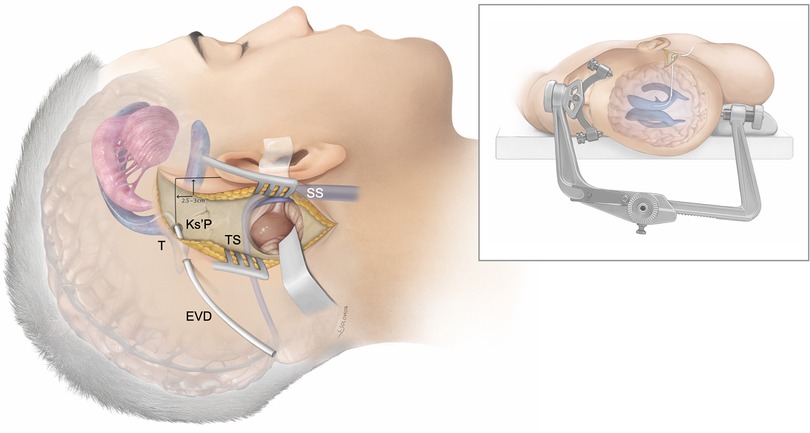
Cerebellopontine (CP) Angle Surgery
Cerebellopontine angle surgery is performed for tumours located in the CP angle region that affect critical structures responsible for hearing, balance, and facial nerve function. These tumours can cause symptoms such as hearing loss, dizziness, facial weakness, or imbalance. Using advanced microsurgical techniques, high-magnification visualization, and meticulous nerve preservation strategies, surgery is aimed at safe tumour removal while protecting neurological function, facial movement, and hearing to the greatest extent possible, thereby improving long-term quality of life.
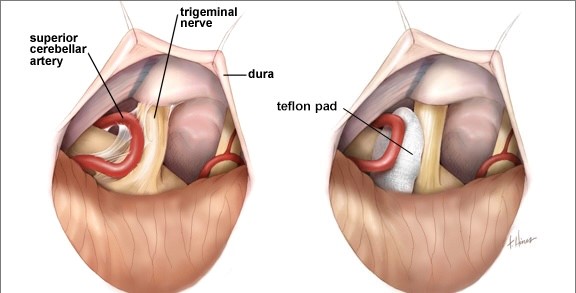
Microvascular Decompression (MVD)
Microvascular decompression is a definitive and highly effective surgical treatment for nerve compression disorders caused by abnormal contact between a blood vessel and a cranial nerve. It is most commonly performed for trigeminal neuralgia, which presents as severe facial pain, and hemifacial spasm, characterized by involuntary facial twitching. By relieving the offending vascular compression without damaging the nerve, MVD offers durable, long-term symptom relief while preserving normal nerve function and avoiding destructive procedures.

Ventricular & Intraventricular Procedures
Ventricular and intraventricular procedures are advanced minimally invasive endoscopic surgeries performed to treat a range of conditions affecting the brain’s ventricular system. These include endoscopic removal of intraventricular tumours, endoscopic excision of colloid cysts to relieve hydrocephalus and prevent sudden neurological deterioration, and endoscopic third ventriculostomy to restore natural cerebrospinal fluid flow. These procedures minimize surgical trauma, reduce dependence on permanent shunts, shorten recovery time, and improve overall neurological outcomes.
Not Sure What You Need?
Simply give us a call and book an appointment for yourself. We are here to help.
Walk into our hospital and let us take a closer look to suggest the best treatment you need.